It’s January 2026 and BAD BILLS SEASON, also known as Death By a Thousand Paper Cuts, is upon us once more and yes, it’s as bad as it sounds.
Utah’s 2025 lawmaking session bloodied capitol watchdogs with a barrage of bills — almost 1,000 pieces of legislation were introduced in fewer than 45 days. This fast pace makes it extraordinarily easy for bad bills to slip through virtually unopposed. There simply isn’t enough time to mount meaningful opposition, not to mention that many legislators are hell-bent to get their bills passed, no matter how much they hurt Utahns and their families.
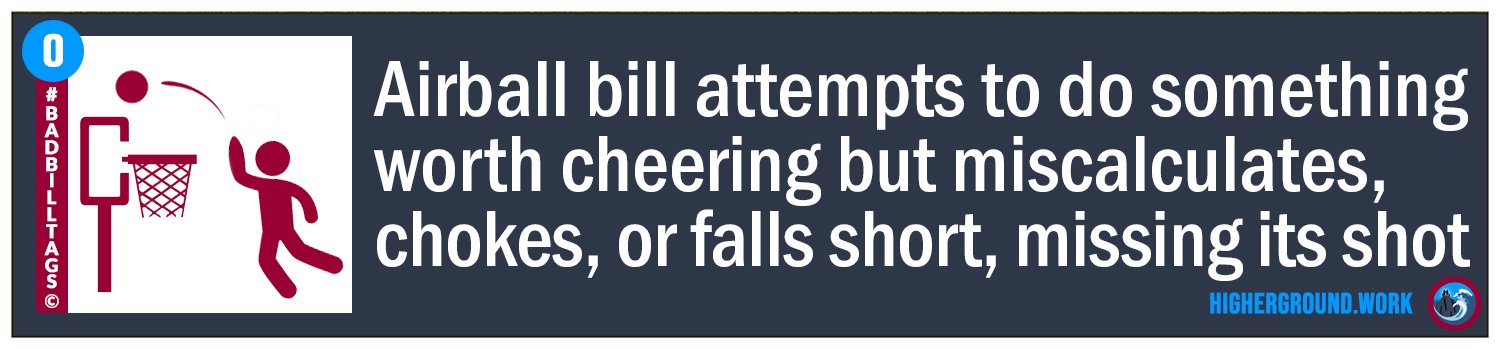
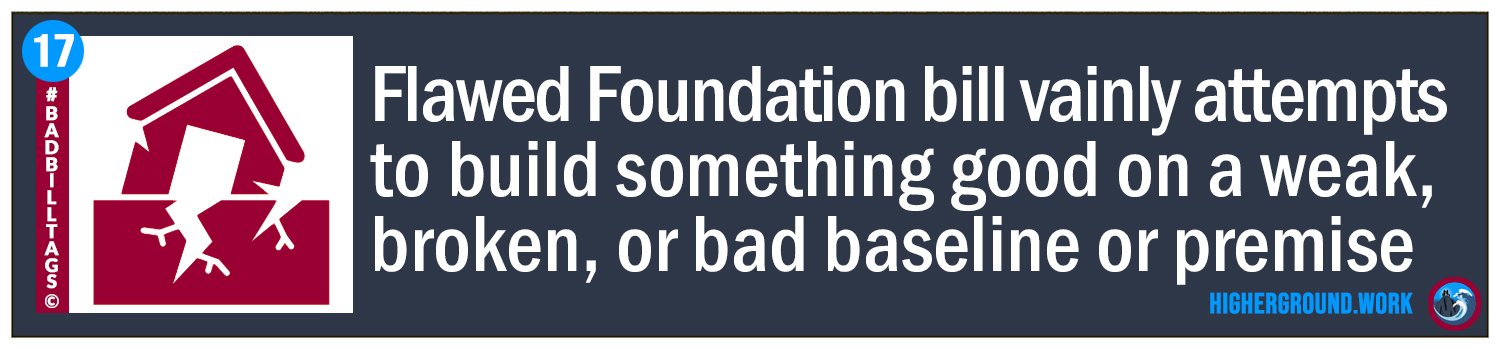
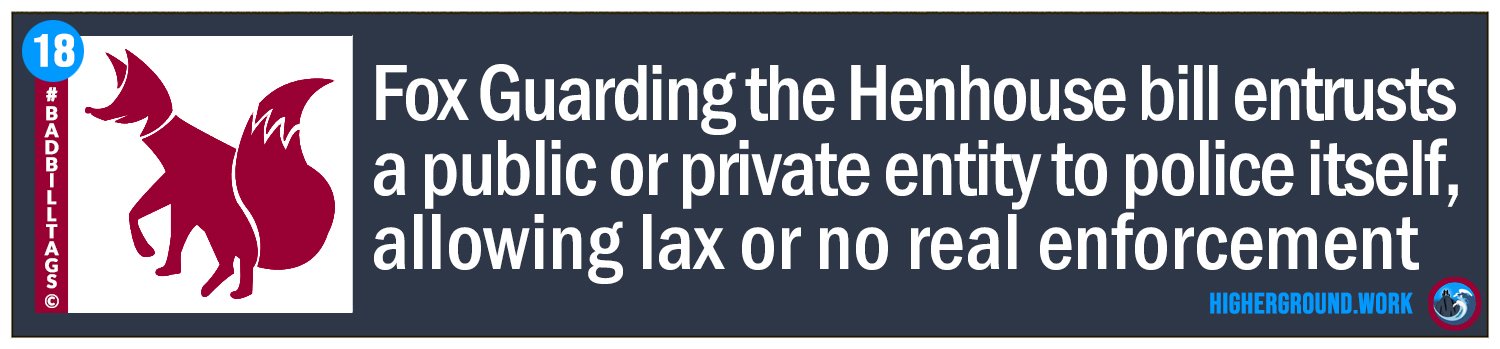
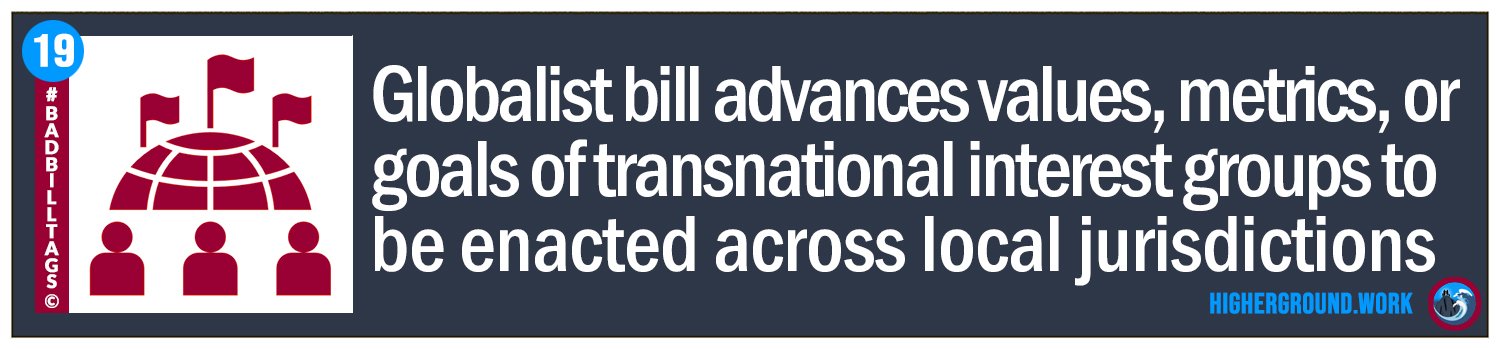
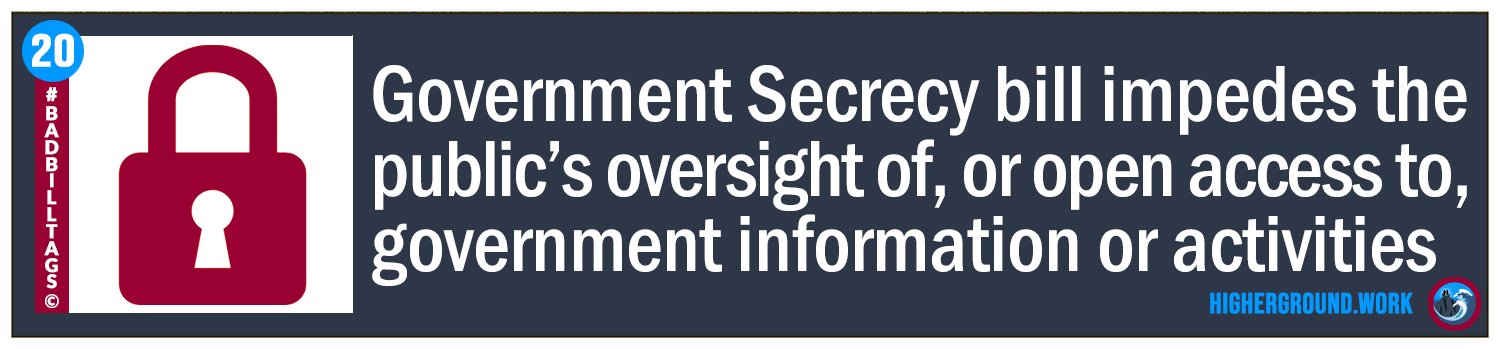
We created 60 Bad Bill tags(!) to help us better illustrate why and where so many bills go off the rails. Check out our Bad Bill Tags gallery.
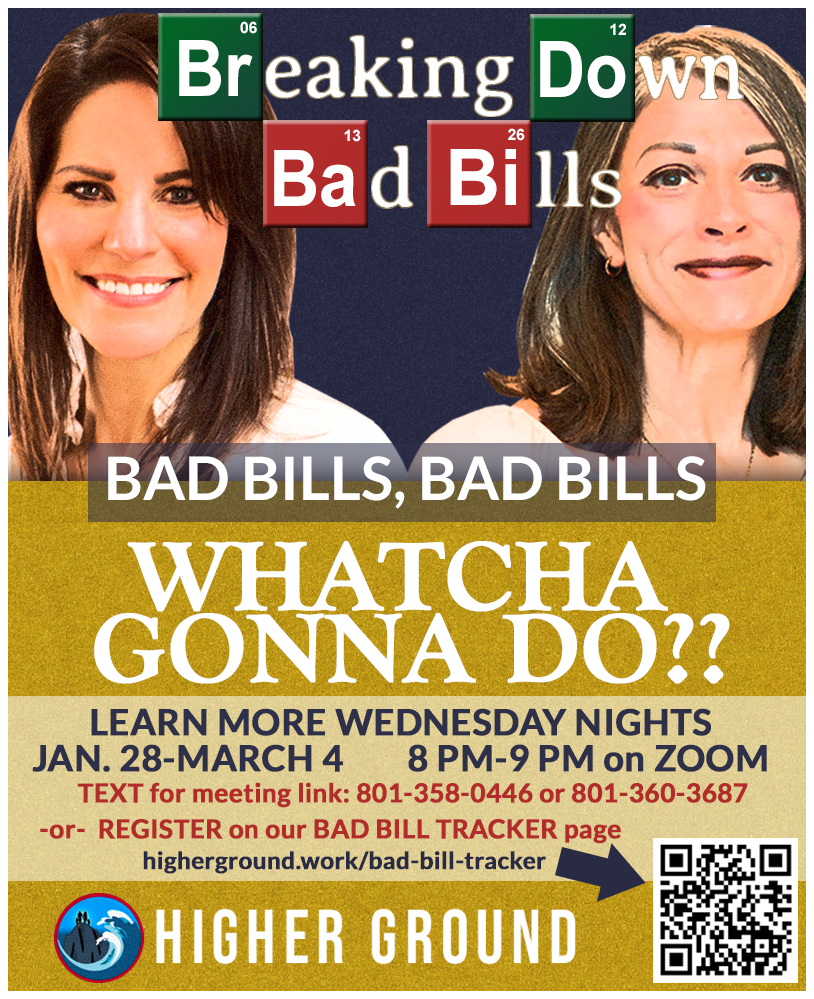
Join Natalie Cline & Monica Wilbur of Higher Ground, Wednesday nights starting January 28, from 8-9 on Zoom. You’ll get our unique take on which bills to watch out for, and more importantly, why they’re so dangerous.
You can text one of the phone numbers on the flier for the meeting link, or fill out our form below.
PLEASE CHECK YOUR JUNK FOLDER IF YOU DON’T SEE THE LINK IN 24 HOURS.
Every legislative season, Utah's lawmakers produce many bills. How many bills? Too many bills! In 45 days, Utah's lawmakers introduce close to 1,000 pieces of legislation. This creates a quantity-over-quality problem, resulting in an unacceptable number of BAD BILLS.
After studying lots of bills, we arrived at the conclusion that there are so many more ways to make a BAD BILL bad than to make a GOOD BILL good. As Matthew 7 says—For wide is the gate, and broad is the way, that leadeth to destruction.
Bad bills have a multiplier effect, often doing greater damage than is initially realized.
In line with our mission to Inform & Warn the public about bad education policies, practices, programs, & pedagogies, we have developed a series of what we call Bad Bill Tags that explain the different elements of what makes a bill objectively bad.
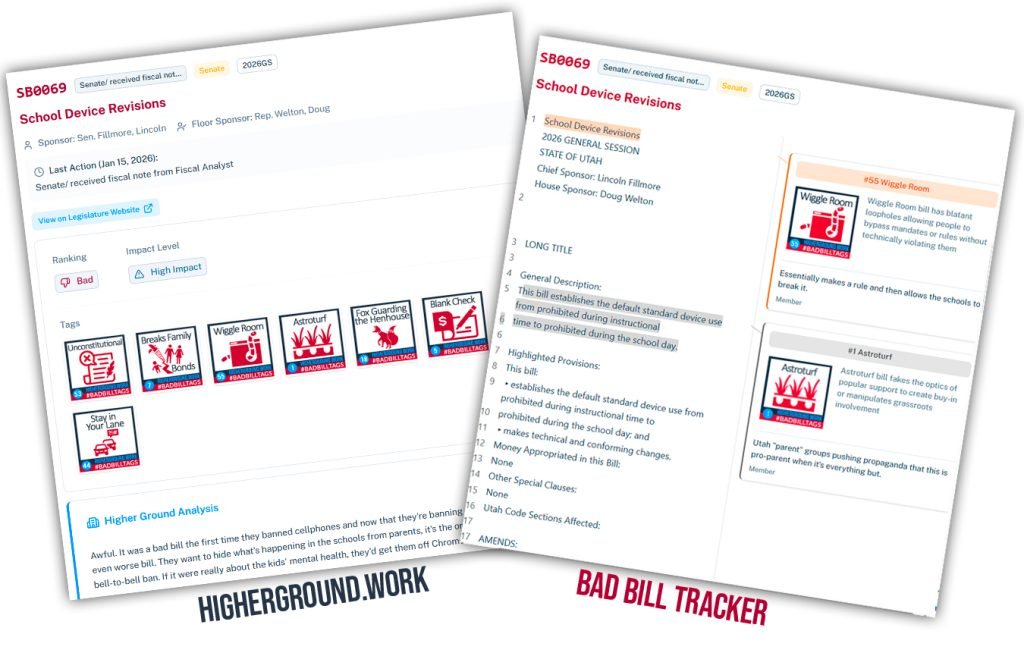
We apply these tags to bills listed in our BAD BILL Tracker. These are just a few of the most notable BAD BILLS from the latest session. We hope our tags & tracker provide a helpful lens through which to analyze & scrutinize bills so as to protect our faith, families & freedoms against being overcome by arrogant governance and bureaucratic hubris.
So happy to bring this really rad way of breaking down bad bills by visualizing exactly where and how a bad bill goes bad.
Watch the short video tutorial to get a feel for how to use the tracker. If you are viewing the tracker on a mobile phone, adjust the zoom in your browser to 75% to see it best.

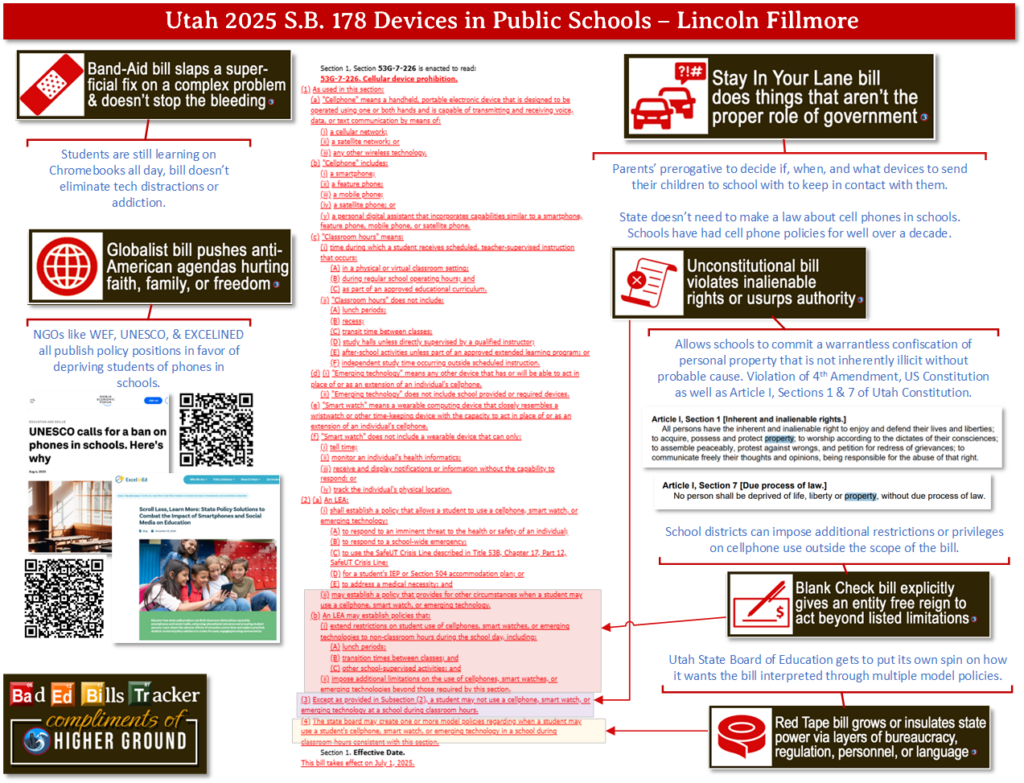
Mandates a statewide ban on cellphones and other personal digital devices in schools for students, which is a gross abuse of power
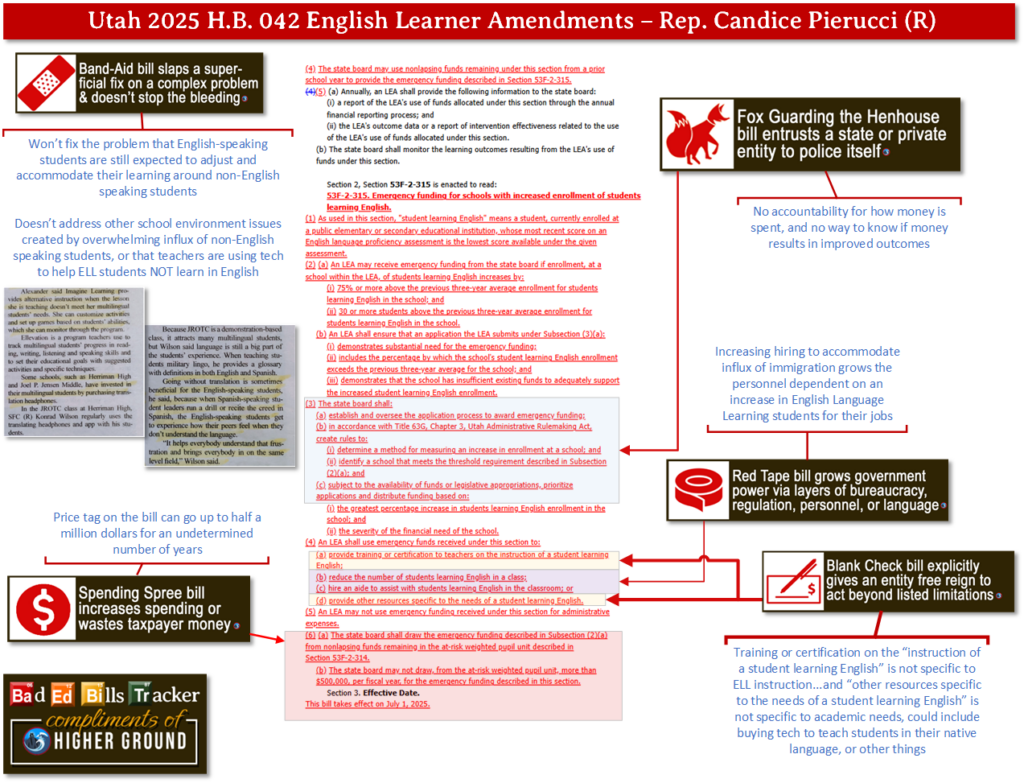
Increases emergency funding aimed at English Language Learners in K-12 schools, but won't actually solve the many problems created by the overwhelming influx of ELLs
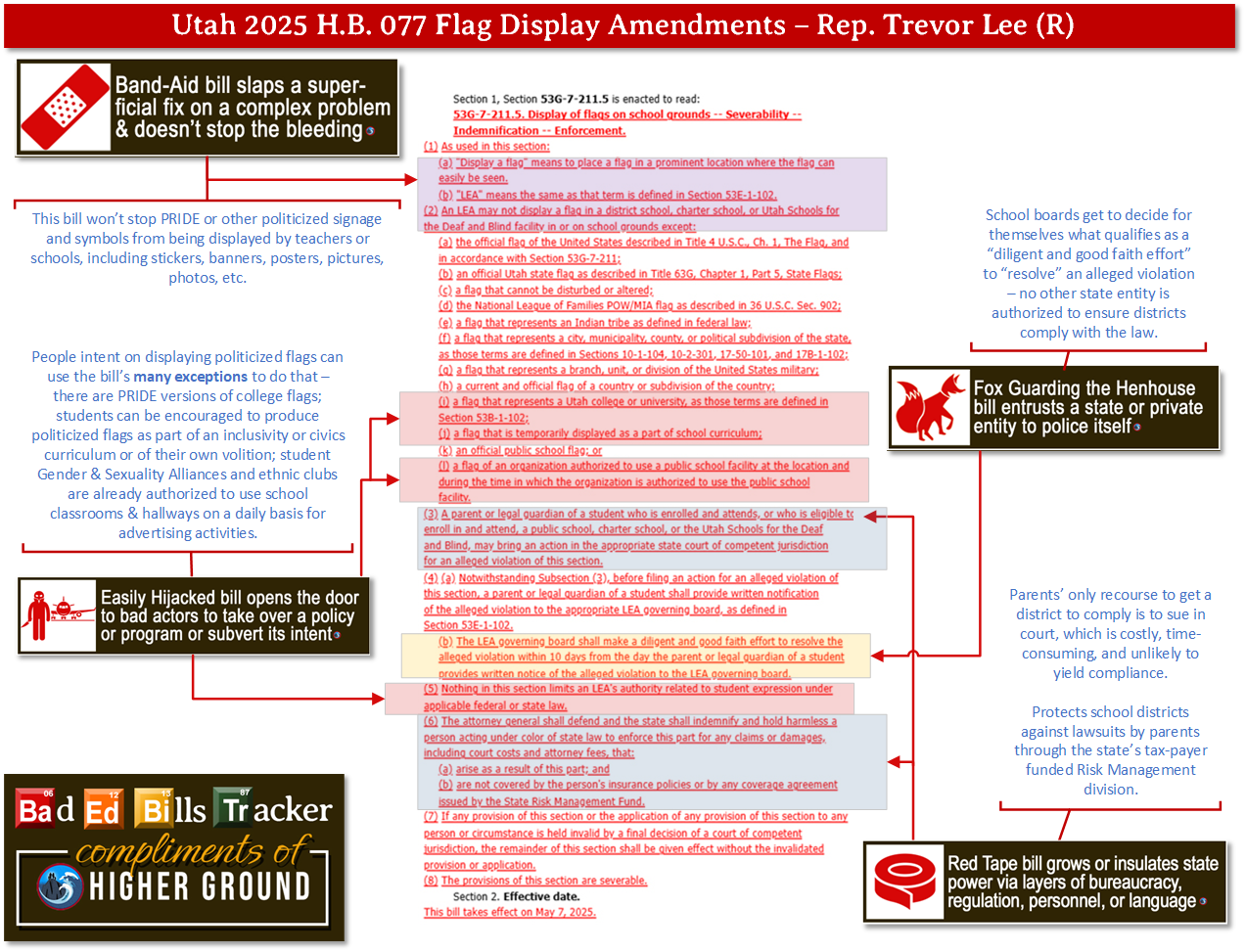
Attempts to keep politicized flags like PRIDE and BLM flags out of schools—intent is good, but the execution has a lot of red flags
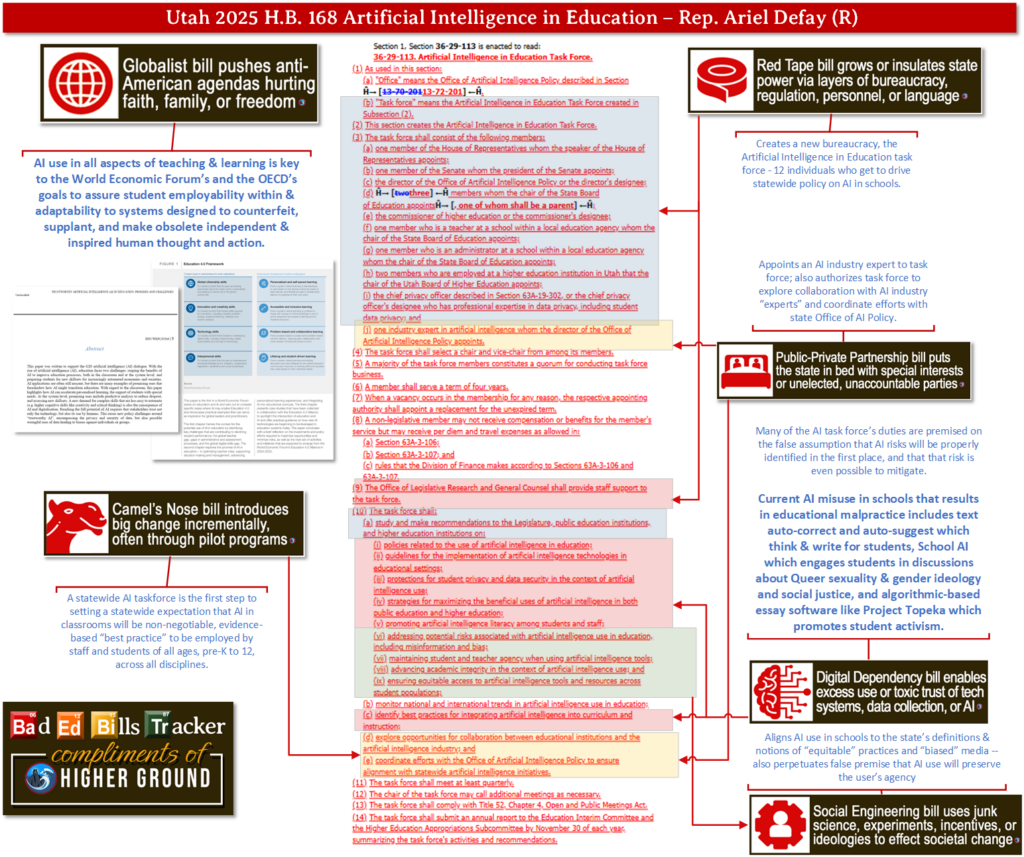
Creates the Artificial Intelligence in Education Task Force with duties focused on establishing AI in education, legitimizing the increased use of AI in schools
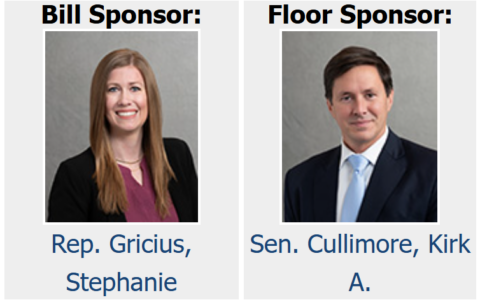
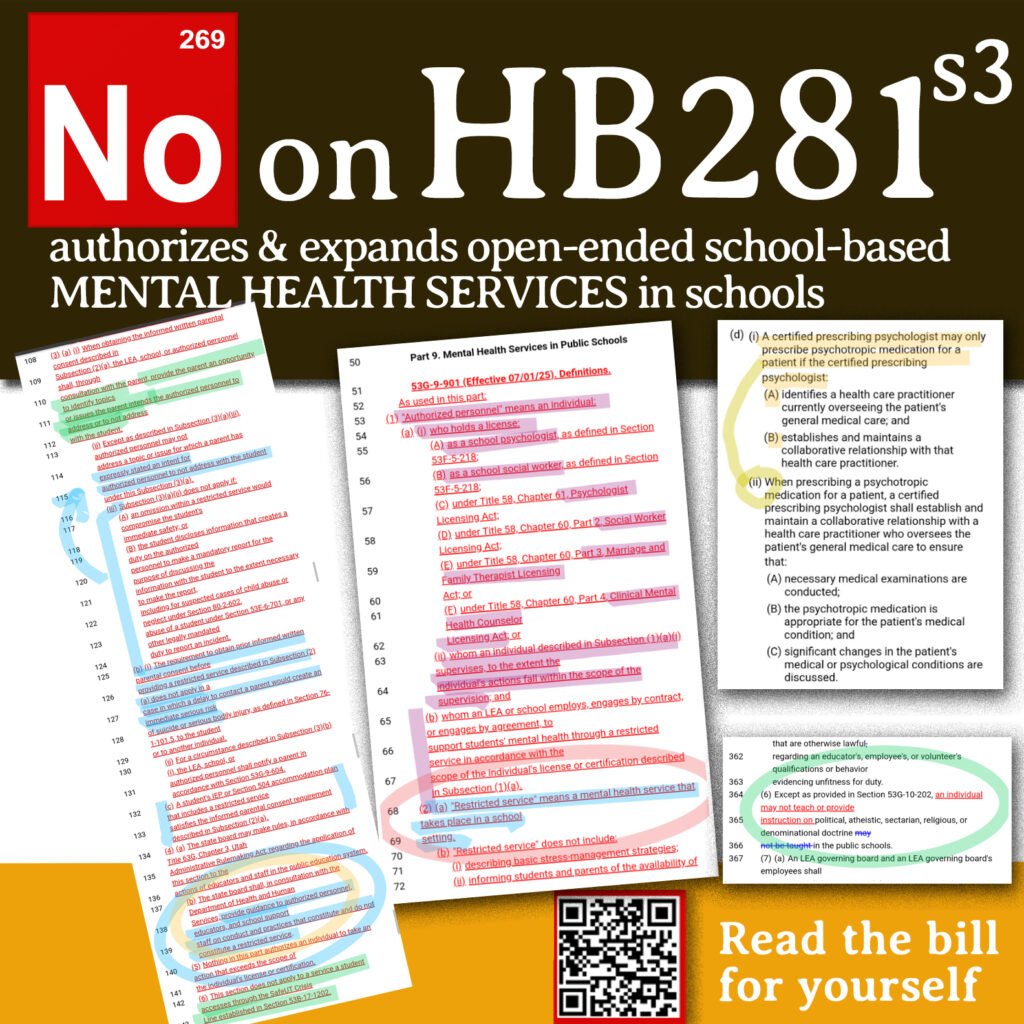
What makes Utah Rep. Stephanie Gricius's HB 281 a bad bill?

Installs, for the first time ever through state statute, the explicit delivery of open-ended mental health services as a general practice into schools and also makes questionable amendments to Health Ed, Sex Ed, and other code
Utah Rep. Trevor Lee's HB 77 Substitute 1 shows improvement

Attempts to keep politicized flags like PRIDE and BLM flags out of schools—new language gets closer to intent